
How to Plan Meals From Pantry Staples
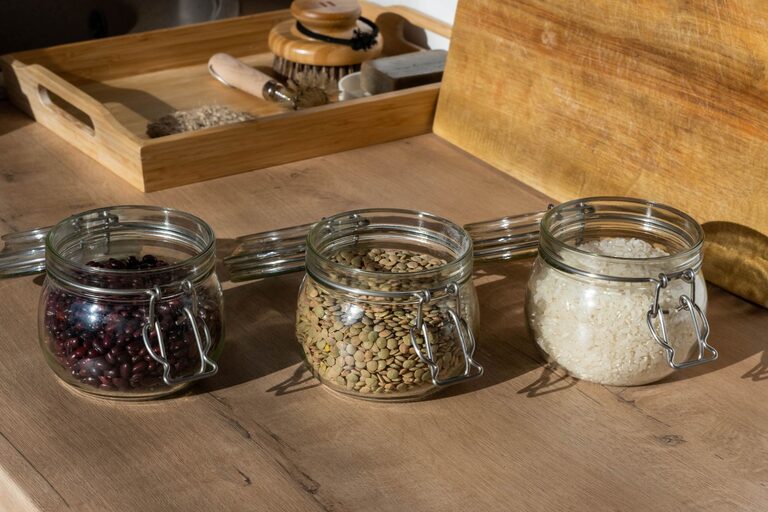
Planning meals from pantry staples can make cooking easier, more affordable, and less stressful. Instead of starting with a recipe every day, you can look at what you already have and build meals around those ingredients.
A well-planned pantry meal does not need to be complicated. With a few basic foods, some fresh or frozen additions, and a simple method, you can create satisfying breakfasts, lunches, dinners, and snacks.
Start With a Pantry Inventory
Before planning meals, take a quick look at your pantry, refrigerator, and freezer. Write down what you have, including items that need to be used soon.
Group foods into simple categories:
– Grains such as rice, pasta, oats, couscous, and quinoa
– Canned foods such as beans, tomatoes, corn, and tuna
– Dry goods such as lentils, split peas, flour, and breadcrumbs
– Cooking basics such as oil, vinegar, broth, and spices
– Freezer items such as vegetables, fruit, bread, and meat
– Fresh foods that are close to their use-by date
You do not need a detailed inventory system. A list on paper, a note on your phone, or a simple spreadsheet is enough. The goal is to know what is available before buying more food.
As you review your supplies, check package dates and condition. Place older items toward the front so they are easier to use first.
Build Meals Around Key Ingredients
A helpful way to plan is to choose one main pantry ingredient and create several meals around it. This keeps your shopping list short while giving you variety.
For example, a bag of rice can become:
– A rice and bean bowl with vegetables
– Fried rice with eggs and frozen vegetables
– A rice soup with broth and canned tomatoes
– A cold rice salad with herbs and a simple dressing
Beans are also flexible. You can use them in tacos, soups, salads, pasta dishes, or mashed spreads. Canned tomatoes can form the base of pasta sauce, chili, soup, or a grain-based casserole.
Choose two or three ingredients to use throughout the week. This approach helps prevent forgotten food from sitting in the pantry and makes meal preparation more efficient.
Use a Simple Meal-Building Formula
When you are unsure what to cook, use a basic formula:
Base + protein + vegetables + flavor
The base could be rice, pasta, potatoes, bread, oats, or another grain. The protein might come from beans, lentils, eggs, canned fish, tofu, chicken, or nuts. Vegetables can be fresh, frozen, or canned. Flavor comes from herbs, spices, sauces, broth, lemon juice, vinegar, or cheese.
For example:
– Pasta + white beans + canned tomatoes + Italian seasoning
– Rice + eggs + frozen peas + soy sauce
– Toast + canned tuna + chopped vegetables + mustard
– Oats + peanut butter + banana + cinnamon
This formula is flexible and works with many combinations. It also helps you create a balanced meal without needing to follow a specific recipe.
Plan a Mix of Easy Meal Types
A practical weekly plan should include meals with different levels of effort. If every meal requires several steps, cooking can quickly become tiring.
Try dividing meals into three groups:
Quick Meals
These take about 15 minutes or less. Examples include:
– Pasta with canned tomatoes and beans
– Oatmeal with fruit and nuts
– Scrambled eggs with toast
– Rice topped with beans, salsa, and cheese
– Tuna or chickpea sandwiches
Make-Ahead Meals
These can be prepared in larger batches and eaten over several days. Examples include:
– Lentil soup
– Vegetable chili
– Cooked rice or grains
– Pasta salad
– Baked casseroles
– Hard-boiled eggs
Flexible Leftover Meals
Plan at least one meal that can use leftovers. A roasted vegetable can become a grain bowl, soup ingredient, or filling for a wrap. Extra cooked chicken can be added to pasta, salad, or soup.
This mix gives you options when your schedule changes.
Add Fresh and Frozen Ingredients
Pantry staples provide a strong foundation, but fresh and frozen foods add flavor, texture, and variety. You do not need to buy a large amount of produce each week.
Choose a few versatile options, such as:
– Onions and garlic
– Carrots and cabbage
– Potatoes or sweet potatoes
– Apples or bananas
– Leafy greens
– Frozen peas, corn, or mixed vegetables
– Frozen berries
Frozen vegetables are especially useful because they last longer and can be added directly to soups, stir-fries, pasta, and casseroles. Fresh ingredients that keep well, such as onions, carrots, and cabbage, can also support several meals.
When shopping, select ingredients that work with the pantry foods you already have. For example, spinach can be added to pasta, eggs, soup, or rice dishes.
Create a Short Weekly Plan
A simple plan is easier to follow than a detailed schedule. Start by choosing four or five main meals rather than planning every meal for the entire week.
One example might look like this:
– Monday: Lentil soup with toast
– Tuesday: Rice and bean bowls with vegetables
– Wednesday: Pasta with tomato sauce and frozen spinach
– Thursday: Leftover soup or rice bowls
– Friday: Baked potatoes with beans and cheese
Breakfasts and lunches can stay flexible. Oats, eggs, sandwiches, leftovers, and fruit can cover many options without requiring a separate recipe every day.
Leave room for changes. You may have more leftovers than expected, or you may prefer a quick meal after a busy day. A meal plan should guide you, not create extra pressure.
Keep Flavor Ingredients on Hand
A small selection of seasonings can make the same basic ingredients taste different. Consider keeping:
– Salt and black pepper
– Garlic powder and onion powder
– Paprika or chili powder
– Dried Italian herbs
– Curry powder
– Soy sauce
– Vinegar
– Mustard
– Canned salsa
– Broth or bouillon
You can change a dish by switching the seasoning style. Rice, beans, and vegetables can become a Mexican-inspired bowl with salsa and chili powder, or a simple grain dish with soy sauce, garlic, and vinegar.
Taste the food as you cook and adjust the seasoning gradually. Small additions can make a plain meal much more satisfying.
Shop to Fill Gaps
After planning meals from your pantry, make a shopping list based only on what is missing. This prevents duplicate purchases and keeps your grocery trip focused.
Your list may include:
– Fresh vegetables or fruit
– Eggs or another protein
– Milk or a dairy alternative
– Bread or tortillas
– Cheese
– Herbs or sauces
– One or two ingredients for variety
Before buying, check whether an ingredient can be replaced with something you already have. For example, rice may replace another grain, beans may replace meat in a soup, and frozen vegetables may replace fresh ones.
Reduce Waste With Smart Storage
Store opened dry goods in sealed containers when possible, and label items that are easy to forget. Keep frequently used foods in accessible places. If you cook a large batch, divide it into smaller containers so it cools and stores more conveniently.
Use leftovers within a reasonable time and freeze portions that you will not eat soon. Label frozen meals with the name and date so they are easy to identify later.
Planning one “use it up” meal each week is another simple way to reduce waste. This might be a soup, stir-fry, casserole, or pasta dish that combines several remaining ingredients.
Make the Plan Work for You
The best pantry meal plan is one that matches your schedule, cooking skills, and preferences. Start with familiar meals and a few dependable ingredients. Once the process feels comfortable, try new combinations or change the seasonings.
By taking inventory, choosing flexible ingredients, using a simple meal formula, and planning around what you already have, you can prepare a wide range of meals with less effort. Pantry staples are more than backup ingredients—they are the building blocks of practical, creative home cooking.