
Simple Ways to Reduce Household Paper Clutter
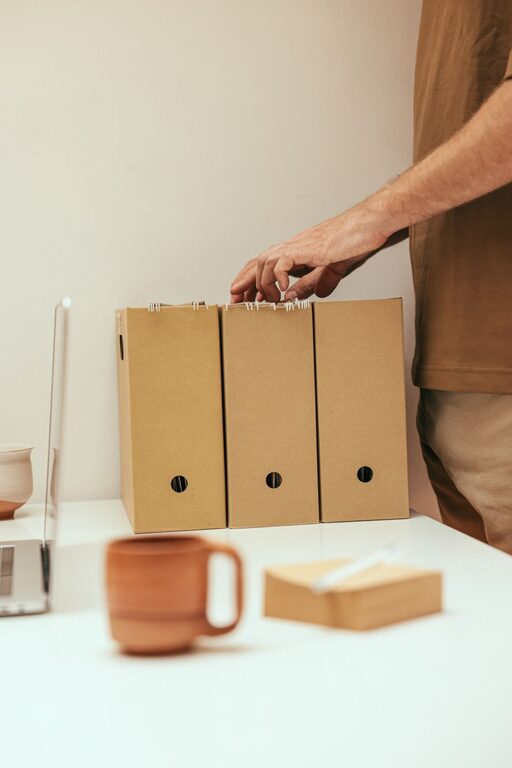
Paper clutter can build up quickly. Mail, receipts, school notices, instruction manuals, coupons, and old documents often collect on kitchen counters, desks, and other convenient surfaces. Before long, it becomes difficult to find important information or keep your home feeling organized.
The good news is that reducing paper clutter does not require a complicated system. A few simple habits can help you sort what you have, decide what to keep, and prevent new piles from forming.
Start With One Small Area
Trying to organize every piece of paper in your home at once can feel overwhelming. Instead, choose one manageable area, such as:
– The kitchen counter
– A desk drawer
– The entryway
– A mail basket
– One filing cabinet
– A stack of unopened mail
Set a timer for 15 or 20 minutes and work only in that space. A short session makes the task easier to begin and helps you see progress quickly.
As you sort, avoid moving papers from one pile to another without making decisions. Use a few clearly labeled groups, such as:
– Keep
– Recycle
– Shred
– Take action
– Give away or return
When the timer ends, finish the group you are working on or schedule another short session.
Create a Simple Sorting System
A paper organization system works best when it is easy to understand and maintain. You do not need many folders or detailed labels. A basic system can include the following categories:
Action
Use this category for papers that require a response, payment, signature, appointment, or other task. Store these papers in a visible folder or tray so they do not get forgotten.
File
This category is for documents you need to keep for reference. Examples may include warranties, home records, school information, or other important household papers.
Temporary
Some papers are useful for only a short time. This may include event details, return receipts, or forms you need during a current project. Give these papers a review date so they do not become permanent clutter.
Recycle or Shred
Use the recycle category for papers that contain no private information. Papers with personal details should be shredded or handled according to your local recycling and privacy guidelines.
Keep the categories broad. If your system has too many sections, sorting may become harder than simply keeping papers in one pile.
Deal With Mail Right Away
Mail is one of the most common sources of paper clutter. Create a routine for handling it as soon as it enters your home.
Stand near a recycling bin or shredder when opening mail. Remove advertisements, envelopes, inserts, and other items you do not need. Sort the remaining papers immediately into your action, file, or temporary categories.
A simple mail routine might look like this:
- Bring in the mail.
- Recycle unwanted advertisements and empty envelopes.
- Open anything that requires attention.
- Place action items in a designated folder.
- File important documents.
- Add deadlines or reminders to your calendar.
Try not to place unopened mail on a counter “for later.” A dedicated mail station can help, but it should be a temporary stopping point rather than a permanent storage area.
Reduce Unwanted Paper
One of the best ways to manage paper clutter is to prevent it from entering your home. Look for ways to reduce the amount of paper you receive.
You may be able to:
– Unsubscribe from catalogs and promotional mail
– Choose electronic statements and notices
– Cancel duplicate subscriptions
– Ask organizations to remove outdated addresses
– Request digital receipts when available
– Stop accepting flyers or printed offers you do not use
Make these changes gradually. When a piece of unwanted mail arrives, use it as a reminder to unsubscribe or update your delivery preferences.
Digitize Useful Information
Digital storage can reduce the need for physical copies, especially for documents you use occasionally. Scan or photograph useful papers and save them in clearly named folders.
For example, you might create folders for:
– Home
– Appliances
– Vehicles
– School
– Travel
– Taxes
– Receipts
– Personal records
Use simple file names that make documents easy to find. Include the type of document and the date, such as “Kitchen appliance warranty 2026” or “Laptop receipt September 2026.”
Back up important digital files using a reliable method. A copy stored in a second location can help protect your information if your primary device is lost or damaged. Also, review digital files from time to time and delete duplicates or documents you no longer need.
Keep Important Papers Safe
Some documents should remain in physical form or be stored carefully. Keep important household records in a secure, clearly labeled file or container. Protect them from moisture, heat, and unnecessary handling.
Avoid mixing important documents with everyday papers. A dedicated folder or storage box can make these items easier to locate when needed.
You can also make a short list of where key documents are stored. This is useful for everyone in the household and prevents repeated searching through drawers and piles.
Use Vertical and Visible Storage
Paper often spreads across flat surfaces because it has nowhere else to go. Vertical storage can help contain it while using less space.
Consider using:
– Wall-mounted file holders
– Magazine holders
– Desktop file organizers
– Labeled folders
– A small accordion file
– A narrow document box
Choose storage that fits the amount of paper you actually have. Oversized filing cabinets and empty boxes can encourage unnecessary saving. A smaller container creates a natural limit and makes it easier to notice when it is time to sort again.
Set a Regular Paper Review
Paper clutter returns when there is no routine for dealing with it. Choose a regular review time that fits your schedule. For many households, once a week is enough.
During the review, check:
– Action items that are still unfinished
– Receipts that are no longer needed
– Temporary papers past their useful date
– Duplicate documents
– Mail that has been waiting too long
– Files that can be digitized or discarded
Keep the session short and consistent. Ten minutes each week is often more effective than waiting until several months of paper have collected.
Give Every Paper a Home
When you bring a paper into your home, decide where it belongs. This does not mean you must file everything immediately, but each category should have a designated place.
For example:
– Bills go in the action folder.
– Receipts go in a small receipt envelope.
– Manuals go in a digital folder or home file.
– School papers go in a family organizer.
– Coupons go in a wallet or shopping folder.
– Important records go in a secure file.
A clear home for each type of paper makes future decisions faster and keeps surfaces clear.
Make the System Easy to Maintain
The best paper organization system is one you will continue using. Keep labels simple, storage convenient, and rules realistic. If filing takes too many steps, papers will likely collect nearby instead.
Start with one small change, such as sorting mail daily or creating an action folder. Once that habit feels natural, add another. Over time, these small routines can prevent paper from taking over your home.
Reducing paper clutter is less about organizing everything perfectly and more about making steady decisions. When you remove what you do not need, store what matters, and create a routine for new papers, your home can stay clearer with much less effort.