
Simple Ideas to Make Dinner Cleanup Easier
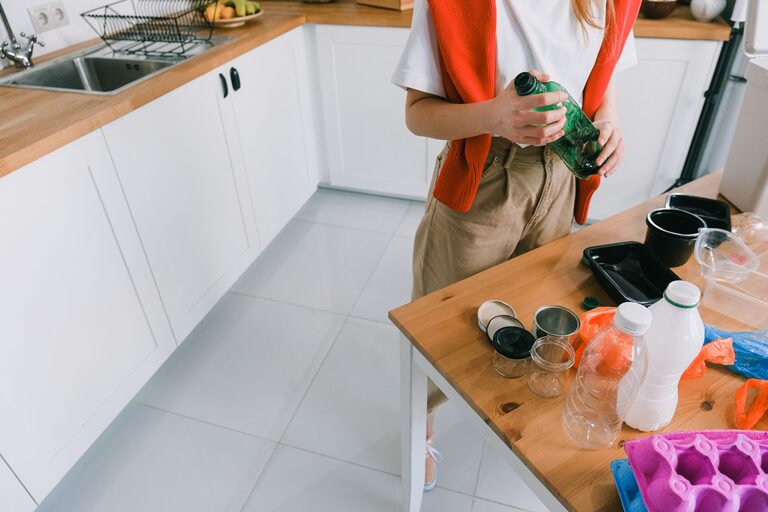
Dinner cleanup does not have to feel like a second meal. With a few simple habits, you can reduce the number of dishes, prevent messes from building up, and finish the kitchen more quickly. The key is to make cleanup part of the cooking process instead of leaving every task until the end.
These ideas work for busy weeknights, family meals, and relaxed dinners alike. Choose the strategies that fit your kitchen, schedule, and household routine.
Start With a Cleaner, More Organized Kitchen
A crowded counter can make cleanup seem harder than it really is. Before you start cooking, take a minute to create a clear workspace. Put away clean dishes, move items that do not belong in the kitchen, and place a trash can or compost container within easy reach.
This small reset gives you room to work and makes it easier to clean as you go. You will also be less likely to set dirty tools on top of ingredients, paperwork, or other surfaces.
Keep These Items Nearby
- A dish towel or reusable cleaning cloth
- A small bowl for food scraps
- A sponge or dish brush
- A sink strainer or drain basket
- A container for leftovers
Having these items ready prevents interruptions and helps each cleanup task happen at the right time.
Clean as You Cook
One of the most effective ways to make dinner cleanup easier is to wash or put away items while food cooks. When a pot is simmering or vegetables are roasting, use those few minutes to rinse measuring cups, cutting boards, and utensils.
You do not need to clean the entire kitchen before dinner is ready. Focus on small tasks that take less than a minute. Rinse a spoon, wipe a spill, or place a used tool in the dishwasher. These quick actions keep the final cleanup from becoming overwhelming.
Try following this simple pattern:
- Finish using a tool.
- Scrape off food scraps.
- Rinse it or place it in the dishwasher.
- Wipe the nearby surface if needed.
Repeating this pattern throughout cooking can leave you with only plates, serving dishes, and a few pans to handle after the meal.
Choose Recipes With Cleanup in Mind
Some meals naturally create more dishes than others. When planning dinner, look for recipes that use one pot, one pan, or a single baking dish. Sheet pan meals, skillet dinners, soups, grain bowls, and slow cooker recipes can all reduce the amount of washing required.
This does not mean every meal needs to be prepared in one dish. Instead, balance more involved recipes with simpler options during busy parts of the week.
Use Fewer Tools
Before reaching for a new bowl or utensil, ask whether an item already in use can serve another purpose. For example, a measuring cup may also work as a small mixing cup, and a cutting board can be used for several ingredients if you prepare clean produce first and raw ingredients later.
Use caution with food safety when handling raw meat, seafood, or eggs. Wash tools and surfaces properly before using them for ready-to-eat foods.
Make the Dishwasher Work Better
A dishwasher can save considerable time, but only when it is loaded consistently. Scrape food into the trash or compost, then place dishes inside soon after the meal. Waiting can allow food to dry and make cleaning more difficult.
Keep the loading process simple. Store plates, glasses, and utensils near the dishwasher if possible, and make sure everyone in the household knows where items belong.
Helpful Dishwasher Habits
- Run the dishwasher when it is full, rather than after every small meal.
- Check the manufacturer’s instructions before washing delicate items.
- Leave space between dishes so water can reach all surfaces.
- Place heavily soiled items where they receive strong water coverage.
- Empty the dishwasher as soon as practical so it is ready for the next meal.
If you do not have a dishwasher, use a dish tub or one side of the sink for washing and the other side for rinsing. This keeps water contained and gives you a clear system to follow.
Soak Pans Before Food Dries
Stuck-on food is often much easier to remove after soaking. As soon as a pan is cool enough to handle, fill it with warm water and a small amount of dish soap. Let it sit while you eat or finish other tasks.
For baked-on residue, use a utensil or brush that is safe for the pan’s surface. Avoid harsh tools on nonstick cookware, coated surfaces, or materials that can scratch easily. Follow the care instructions for each item when possible.
Soaking is especially useful for oatmeal pots, roasting pans, rice cookers, and dishes used for baked meals. It gives food time to soften and reduces the need for heavy scrubbing.
Serve Food in a Way That Reduces Mess
The way you serve dinner can affect cleanup. If your household is comfortable doing so, serve food directly from the cooking vessel instead of transferring everything to separate serving bowls. This removes extra dishes from the table and the dishwasher.
For casual meals, consider using a shared plate or bowl for items such as sliced fruit, bread, or toppings. Use small individual dishes only when they add convenience or help prevent spills.
Place napkins, utensils, and condiments in one easy-to-reach area. This keeps people from opening cabinets and creating additional clutter during the meal.
Give Everyone a Small Cleanup Job
Dinner cleanup becomes faster when it is shared. Even young household members can take part in age-appropriate tasks, such as carrying unbreakable dishes to the counter, wiping the table, or sorting utensils.
Instead of asking one person to “clean the kitchen,” divide the work into clear jobs:
- Clear plates and leftovers
- Load or wash dishes
- Wipe the table and counters
- Clean the stovetop
- Sweep visible crumbs from the floor
Clear assignments prevent confusion and help everyone understand when the kitchen is finished. A short cleanup routine can become a normal part of ending the meal.
Keep a Five-Minute Finishing Routine
After the dishes are handled, take a few minutes to reset the space. Wipe counters, check the stovetop, put away ingredients, and sweep up crumbs. You do not need to deep-clean the kitchen every night. The goal is to leave it ready for the next meal.
A simple five-minute routine might look like this:
- Put leftovers in containers.
- Store ingredients and pantry items.
- Wipe counters and the table.
- Clean spills from the stovetop.
- Check the floor for crumbs or dropped food.
Small daily resets can prevent messes from collecting and make larger cleaning sessions less demanding.
Use the System That Fits Your Household
The best dinner cleanup routine is one people can follow consistently. Some households may prefer cleaning immediately, while others may divide tasks between the cook and the person who did not prepare the meal. Try a few approaches and keep the habits that save time without adding stress.
Start with one change, such as soaking pans or cleaning while food cooks. Once that habit feels natural, add another. Over time, these small steps can turn dinner cleanup into a quick, predictable part of the evening rather than a long task waiting at the end.