
How to Build a Simple Workout Corner at Home
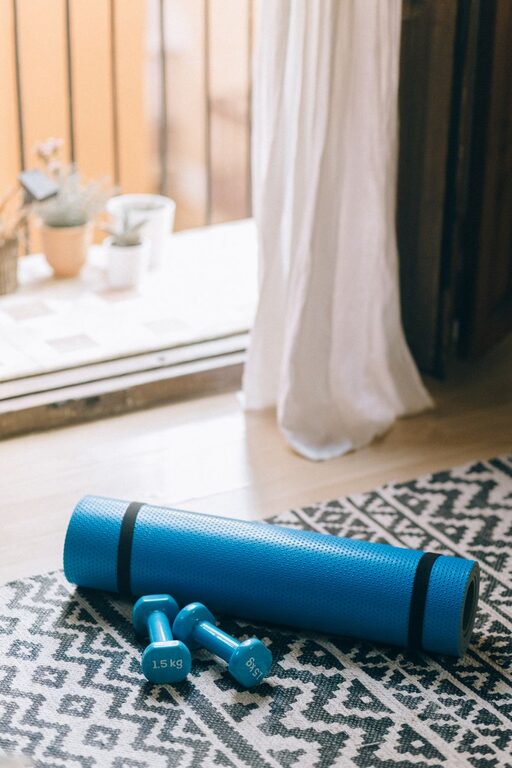
A dedicated workout corner can make exercise feel easier to begin and easier to maintain. You do not need a full home gym or a large spare room. With a small area, a few useful pieces of equipment, and a simple storage plan, you can create a comfortable space for stretching, strength exercises, and light cardio.
The goal is to build a corner that fits your home and your routine. It should be easy to access, simple to tidy, and pleasant enough that you will want to use it regularly.
Choose the Right Location
Start by looking for a space that is open, well lit, and easy to reach. A quiet corner of a bedroom, living room, home office, or basement can work well. You may also be able to use part of a hallway or a section of a covered outdoor area.
When choosing the location, consider:
– The amount of floor space available
– Ceiling height and overhead clearance
– Air movement and room temperature
– Natural or artificial lighting
– Distance from furniture and walls
– Whether the floor is level and stable
– How easily equipment can be stored nearby
A space of about six by six feet can be enough for many basic exercises. If you plan to use a jump rope, perform larger movements, or follow workout videos, leave extra room around the edges.
Avoid placing your workout area directly beside sharp furniture, glass objects, or items that could fall. A safe, open layout allows you to focus on movement instead of worrying about your surroundings.
Prepare the Floor
A suitable floor helps make the space more comfortable and protects both you and the surface underneath. A workout mat is one of the most useful additions to a home workout corner.
Look for a mat that is:
– Large enough for your body when lying down
– Thick enough to provide light cushioning
– Easy to clean
– Resistant to slipping
– Simple to roll up or store
Foam tiles can work well if you want to cover a larger area. They are also useful in rooms with hard floors. If your workout corner is on carpet, a mat can still provide a cleaner, more stable surface.
Before each session, check that the mat is flat and that the floor around it is free of clutter. A curled edge or loose object can become a tripping hazard.
Start With Basic Equipment
You do not need to purchase everything at once. Begin with a few versatile items that support a variety of exercises.
Useful starter equipment
– Exercise mat
– Resistance bands
– Light or medium dumbbells
– Small stability ball
– Jump rope, if you have enough space
– Water bottle
– Towel
– Storage basket or rack
Resistance bands take up very little room and can be used for many upper- and lower-body movements. Dumbbells are helpful for adding resistance, while a stability ball can support balance and mobility exercises.
If you are working with a small budget, start with a mat and resistance bands. Add other items later as you learn which types of workouts you enjoy.
Choose equipment that matches your available space. Large machines may be useful for some routines, but they can make a small corner feel crowded. Compact, multipurpose items are usually a better starting point.
Create Simple Storage
Good storage keeps the corner organized and makes it easier to begin a workout. If equipment is scattered around the room, setting up can feel like a chore.
Try one of these storage solutions:
– A woven basket for bands and small accessories
– A wall-mounted rack for jump ropes
– A small shelf for towels and water bottles
– A vertical stand for dumbbells
– A storage bench with space underneath
– A rolling cart that can be moved when needed
Keep the items you use most often in the easiest-to-reach place. Less frequently used equipment can go on a higher shelf or in a nearby closet.
If you share the room with other people, use a basket or cabinet to keep your equipment contained. This helps the workout corner blend into the rest of the home when you are not exercising.
Improve Lighting and Comfort
A bright, comfortable space can make a workout feel more inviting. If possible, place the corner near a window for natural light. Avoid direct glare if you follow videos on a screen.
For rooms with limited daylight, use a floor lamp or ceiling light that clearly illuminates the area. Soft, even lighting is often more comfortable than a single harsh light.
Ventilation also matters. Open a window, use a fan, or choose a room with good air circulation. Keep the temperature comfortable, and have water nearby before you begin.
You can add a few personal touches without filling the area with decorations. A small plant, simple wall print, or neutral storage box can make the corner feel like part of your home rather than a temporary pile of equipment.
Add a Workout Guide
A workout corner is more useful when you have a clear plan for using it. You can keep a printed routine nearby, save a few trusted videos, or create a weekly list of simple activities.
Your plan might include:
– A short warm-up
– Strength exercises
– Mobility or stretching
– Light cardio
– A cool-down
Write down the exercises you want to do, the equipment required, and the approximate time for each activity. A simple plan reduces decision-making and helps you use the space consistently.
You can also keep a small notebook in the corner to record which routines you complete. This is a practical way to notice your habits and decide what equipment or storage changes might be helpful.
Keep Safety in Mind
Before using any equipment, check that it is in good condition. Look for worn bands, loose handles, cracked surfaces, or damaged mats. Replace items that no longer feel secure.
Keep cords, furniture, and other objects outside your movement area. If you use a mirror, make sure it is securely mounted or placed where it cannot easily tip over.
Follow the instructions provided with equipment, and begin with movements that match your experience level. Use controlled movements rather than rushing, and stop if an exercise feels unsafe or causes unusual discomfort. When trying a new routine, choose clear instructions from a reliable source.
A well-organized area is helpful, but it should never replace attention to your surroundings. Take a moment to check the space before every session.
Make the Corner Easy to Use
The best workout corner is one that removes small barriers. Keep your mat and most-used equipment ready to go. Store accessories together, and return everything to its place after each session.
You might also keep a small cleaning cloth nearby and wipe down equipment regularly. A timer, speaker, or tablet stand can be useful if they do not create clutter.
Most importantly, let the space grow with your routine. Start small, notice what you actually use, and make changes over time. A simple mat, a few compact tools, and an open floor area can be enough to create a practical home workout corner that supports regular movement.