
Simple Ways to Practice Creativity Every Day
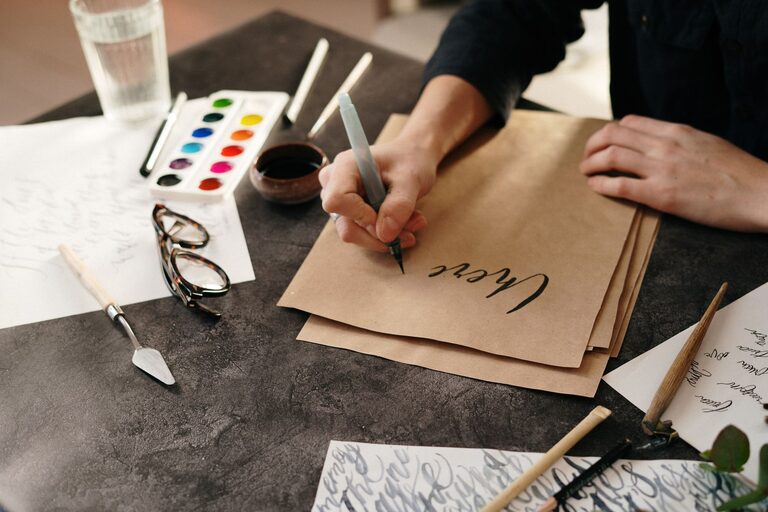
Creativity is often treated like a special talent, but it is better understood as a skill you can practice. You do not need expensive supplies, long stretches of free time, or a perfect idea to get started. Small creative moments can fit into an ordinary day, whether you enjoy writing, drawing, cooking, photography, music, crafts, or problem-solving.
The key is to make creativity simple and regular. When you practice a little each day, you become more comfortable experimenting, making mistakes, and developing your own ideas.
Start with five minutes
One of the easiest ways to practice creativity is to remove the pressure to create something impressive. Set a timer for five minutes and make anything you like.
You could:
– Write a short paragraph
– Sketch an object near you
– Take a photo of an interesting detail
– Make up a name for a fictional character
– Arrange a few objects in a new way
– Hum a melody or tap out a rhythm
– Create a quick collage from old paper
A short session is often enough to break through hesitation. You may continue for longer, but you do not have to. The goal is to build a daily habit, not to complete a major project every time.
Keep an idea journal
Ideas often appear at unexpected times. Keep a small notebook, notes app, or voice memo folder where you can save them quickly. Do not worry about whether an idea is good. Record it before it disappears.
Your journal might include:
– Interesting words or phrases
– Questions you would like to explore
– Things you notice during a walk
– Possible project ideas
– Memories, dreams, or conversations
– Color combinations, shapes, or sounds
– Problems that could use a creative solution
Review your notes once a week. You may find connections between ideas that seemed unrelated at first. An ordinary observation can become the starting point for a story, drawing, recipe, design, or new hobby.
Change your surroundings
A small change in your environment can help you notice things in a fresh way. Work in a different room, sit near a window, take a new route, or rearrange a shelf. Even simple changes can interrupt routine thinking.
You can also use your senses to inspire ideas. Notice the colors around you, listen for background sounds, or pay attention to textures and scents. Describe what you notice using specific words. This practice strengthens observation, which is an important part of creativity.
Try asking yourself:
– What have I not noticed before?
– How would I describe this without using its usual name?
– What story could this object tell?
– What would this place look like at a different time of day?
Use creative prompts
A blank page can feel intimidating. Prompts give your mind a starting point and make practice easier. Choose one prompt each day and respond to it in any form you prefer.
Here are a few examples:
– Design a room for someone who loves the ocean.
– Write about a door that should not be opened.
– Draw an object using only three shapes.
– Create a meal using ingredients of three different colors.
– Describe your morning from the point of view of a bird.
– Invent a tool that would make one small task easier.
– Turn a common phrase into a short poem.
The prompt does not need to match your usual creative interest. Trying different formats can help you discover new strengths and keep your routine interesting.
Practice noticing instead of judging
Many people stop creating because they judge their work too quickly. They compare a first attempt with someone else’s finished project and decide their own work is not good enough.
Instead, focus on noticing. Ask what you learned, what surprised you, and what you might try next time. This approach keeps your attention on the process rather than on immediate results.
You can use simple reflections such as:
– I enjoyed this part because…
– I found this difficult because…
– Next time, I would change…
– One detail I want to explore more is…
– This reminded me of…
A creative practice becomes more enjoyable when every attempt is treated as useful information.
Combine two unrelated ideas
Fresh ideas often come from combining familiar things in a new way. Choose two unrelated subjects and find a connection between them.
For example, you could combine:
– A garden and a calendar
– A bicycle and a musical instrument
– A library and a restaurant
– A map and a bedtime story
– A rainstorm and a piece of clothing
Then create something based on that combination. Write a short description, draw a design, develop a business-free fictional concept, or make a simple craft. This exercise helps you move beyond your first, most familiar idea.
Limit your choices
Having too many options can make it difficult to begin. Create a few simple limits for your practice. Limits give your mind a clear challenge and often lead to more original results.
You might decide to:
– Use only two colors
– Write exactly 100 words
– Draw without lifting your pencil
– Take five photos of one object
– Use materials already at home
– Create something in ten minutes
– Work with one shape or repeated pattern
A limitation is not a restriction on imagination. It is a structure that helps you focus and make decisions.
Learn from other creators
Looking at creative work can provide inspiration, but try to study it actively rather than simply scrolling past it. Choose a painting, song, story, photograph, recipe, or design and ask what makes it interesting to you.
Consider:
– How does it use color, rhythm, shape, or language?
– What mood does it create?
– What detail did you notice first?
– How is the work organized?
– What technique could you try in your own way?
You do not need to copy the work. Instead, use it as a lesson. Notice the choices behind it, then experiment with one idea in your own practice.
Make creativity part of an existing routine
A new habit is easier to maintain when it is connected to something you already do. Write for five minutes after breakfast, sketch while your coffee brews, take one photo during your lunch break, or collect ideas before bed.
Choose a routine that happens most days and attach a small creative activity to it. Keep your materials ready so you do not have to spend extra time preparing. A notebook on your desk, a pencil near the phone, or a camera shortcut on your home screen can make starting much easier.
Share when you are ready
Sharing your work can make creativity feel more meaningful, but it should not become another source of pressure. You can show a friend, join a casual group, post a small project, or keep a private collection of your work.
The purpose of sharing is connection and encouragement, not approval. If you prefer to create privately, that is valuable too. A creative practice does not need an audience to matter.
Keep going with curiosity
Daily creativity does not require a dramatic transformation. It can be a few lines in a notebook, a new way of arranging objects, or a question you take time to explore. These small actions train you to stay curious and open to possibilities.
Choose one simple activity and try it today. Set a short timer, use what you have, and let the result be imperfect. Over time, these small creative moments can become a dependable part of your everyday life.